Your recent searches
Your recent searches will appear here




Cattle disinfectant is essential for maintaining hygiene, preventing disease outbreaks, and ensuring a safe living environment for livestock. A high-quality disinfectant for cattle sheds helps eliminate harmful pathogens and supports overall herd health and productivity.
Rosun supplies Roxycide disinfectant for cattle sheds. This livestock disinfectant spray solution is designed to help farmers maintain a hygienic environment and reduce the risk of disease transmission among animals. Roxycide is a high-efficiency bactericide and cattle disinfectant designed specifically for livestock environments, suitable for the disinfection of cattle pens and grounds, and effectively kills viruses and bacteria. It is widely used as a disinfectant for livestock due to its strong bactericidal, virucidal, and fungicidal performance.
Effective dilution: Mix disinfectant powder with water at a ratio of 1:200
Application method: Spray evenly across surfaces, floors, and equipment
Recommended usage: Disinfect 1–2 times per week
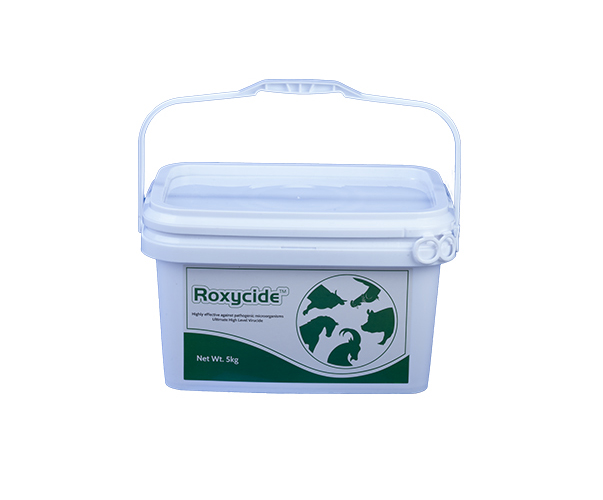
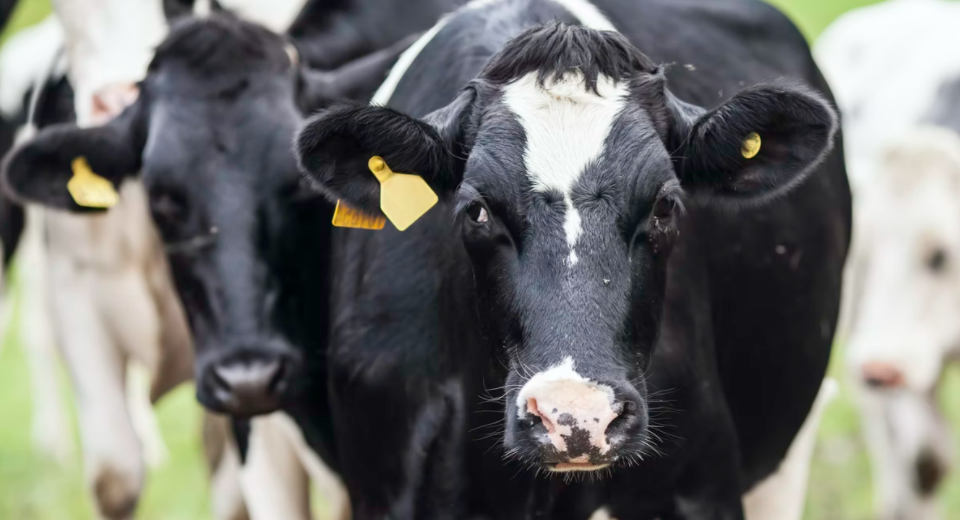
Roxycide disinfectant powder disinfects livestock housing, surfaces and equipment. Cattle shed disinfectant has been proven effective against more than 500 strains of viruses, bacteria and fungi including African Swine Fever, Foot and Mouth Disease, (FMD), Swine vesicular disease, E.coli.
Disinfectant for cattle sheds main ingredient is Potassium Monopersulfate Triple Salt(Oxidizer).
Sodium Polyphosphate(Buffer), Sodium Chlorine(Catalysts), Sodium alpha-olefin Sulfonate(Surfactant) .
1. The indoor floor and surface of objects should be thoroughly cleaned first.
2. Close doors and windows and evacuate personnel.
3. Measure the indoor area or volume and configure Roxycide disinfectant.
4. Disinfectants wear masks, rubber gloves, disposable protective clothing, etc.
5. Use spray methods to disinfect the surface of objects, indoor walls and floors, outdoor buildings, exterior surfaces of vehicles, and equipment. The spraying is carried out in a certain order, usually from the inside to the outside, from top to bottom, and from left to right.
6. Open the window for ventilation after 1-2 hours.
7. Make a record of disinfection, disinfect 1-2 times a week.
Yes, when used correctly according to dilution guidelines, modern livestock housing disinfectants like Roxycide are designed to be safe for cattle, humans, and equipment while still being highly effective against pathogens.
Yes. A high-quality livestock disinfectant is generally suitable for multiple animal environments, including cattle, poultry, pigs, aquaculture systems, and pet facilities.
For optimal biosecurity, a disinfectant for cattle sheds should typically be used 1–2 times per week, with increased frequency during disease outbreaks or high-risk seasons.
 English
  日本語
日本語  français
  Deutsch
  Español
  русский
  português
  العربية
  tiếng việt
  ไทย
ไทย  Polska