Your recent searches
Your recent searches will appear here


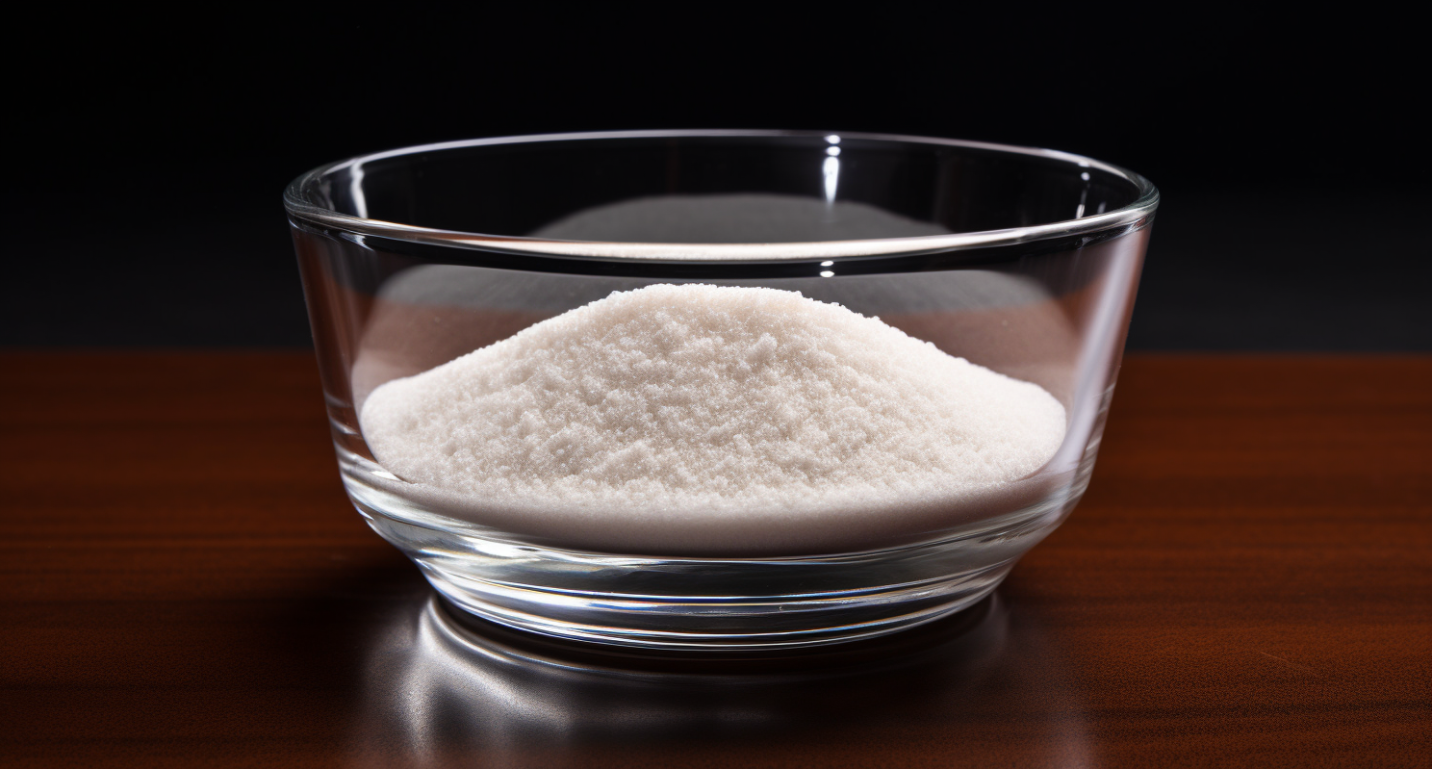
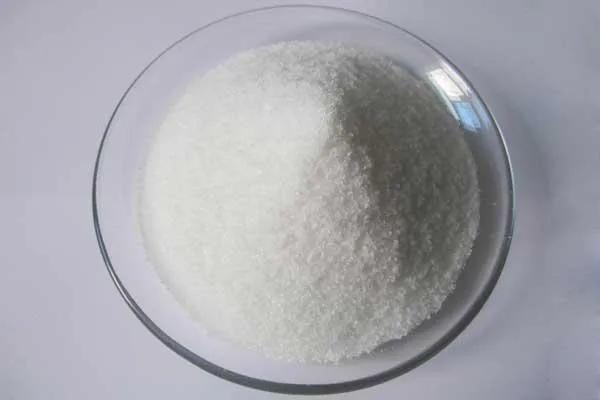
Anionic polyacrylamide (APAM) is a water-soluble linear high-molecular-weight polymer, often used as a flocculant. It is characterized by its anionic (negatively charged) nature, making it particularly effective in applications where the removal of negatively charged particles or the flocculation of suspended solids is required.
For reliable anionic polyacrylamide solutions or technical support, please contact Rosun for more information.
Get Anionic Polyacrylamide Price Chemical Name | Anionic Polyacrylamide (APAM) |
| Appearance | white particles |
| Solid Content (Solid)/% | ≥88 |
| Acrylamide Monomer Content (Dry Basis)/% | ≤0.05 |
Dissolution Time/min | ≤90 |
| Residue on Sieve (1.00mm mesh)/% | ≤2 |
| Insoluble Matter in Water/% | ≤1.0 |
| Chloride Content/% | ≤0.5 |
Sulfate Content/% | ≤1.0 |
| Net weight 25kg/paper bag, lined with a plastic bag |
Anionic polyacrylamide (also known as Anionic PAM) is a high-molecular-weight polymer widely used in industrial and environmental applications due to its negatively charged functional groups. As one of the most effective polyacrylamide chemicals for water treatment, it plays a key role in solid-liquid separation, flocculation, and process optimization.
Anionic polyacrylamide (APAM) has clarifying and purifying properties, promotes settling, aids in filtration, and enhances thickening. It is extensively used in drinking water purification, industrial wastewater treatment, domestic sewage treatment, and mineral wastewater processing.
Acts as an efficient Anionic Polyacrylamide flocculant to aggregate suspended particles
Improves clarification, sedimentation, and filtration efficiency
Enhances sludge dewatering, reducing sludge volume and disposal costs
Performs effectively in weakly acidic to alkaline conditions
In addition, anionic polyacrylamide emulsion forms are often used where faster dissolution and easier dosing are required in continuous water treatment systems.
In mining operations, APAM is used for solid-liquid separation processes. Anionic PAM aids in the settling and dewatering of tailings and slurry, contributing to the efficient handling of mining wastewater.
Anionic polyacrylamide is employed in the paper industry to improve retention and drainage during the papermaking process. It aids in the formation of paper sheets and enhances the paper's quality and toughness.
APAM is utilized in the oil and gas industry for enhanced oil recovery processes. By increasing the viscosity of injected water, it improves the displacement of oil from reservoirs, leading to enhanced recovery rates.
APAM is applied in agriculture for soil erosion control and stabilization. Improving soil structure helps in water retention and prevents runoff, contributing to sustainable agricultural practices.
In the construction sector, APAM can be used for soil solidification and foundation pit engineering to improve soil stability.
If you are looking for high-quality anionic polyacrylamide (APAM) raw material products, including anionic polyacrylamide emulsion, powder, or customized formulations, you can contact Rosun.
As one of the professional polyacrylamide manufacturers in China, Rosun provides a full range of Polyacrylamide powder for water treatment, including:
Anionic Polyacrylamide (APAM)
Cationic Polyacrylamide (CPAM)
Nonionic Polyacrylamide (NPAM)
Whether your application is water treatment, mining, oil recovery, or industrial processing, Rosun can provide tailored solutions to match your operational needs.
Contact Rosun today to get technical support, product recommendations, and pricing for anionic PAM powder and other polyacrylamide products.
 English
  日本語
日本語  français
  Deutsch
  Español
  русский
  português
  العربية
  tiếng việt
  ไทย
ไทย  Polska