Your recent searches
Your recent searches will appear here


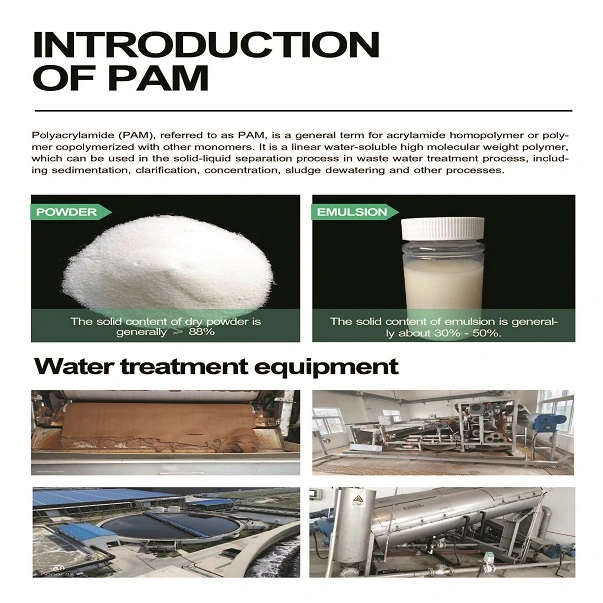
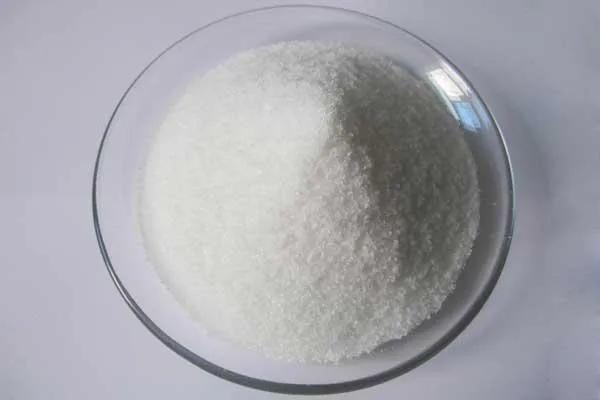
Polyacrylamide (PAM) is a general term for acrylamide homopolymer or polymer copolymerized with other monomers. It is a linear water-soluble high molecular weight polymer which can be used in the solid-liquid separation process in waste water treatment process, including sedimentation, clarification, concentration, sludge dewatering and other processes.
Contact Us Municipal wastewater treatment
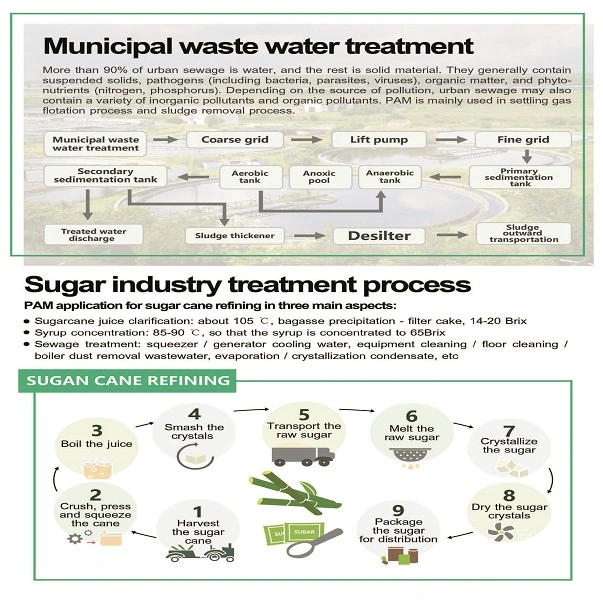
More than 90% of urban sewage is water, and the rest is solid material. They generally contain suspended solids, pathogens (including bacteria, parasites, and viruses), organic matter, and phytonutrients (nitrogen and phosphorus). Depending on the source of pollution, urban sewage may also contain a variety of inorganic pollutants and organic pollutants. PAM chemical is mainly used in the settling gas flotation process and the sludge removal process in water treatment applications. As an important solution in PAM chemical water treatment, it helps improve solid-liquid separation efficiency, reduce sludge volume, and enhance overall wastewater treatment performance.
Sugar industry treatment process
PAM application for sugar cane refining in three main aspects:
Sugarcane juice clarification: about 105℃, bagasse precipitation-filter cake,14-20 Brix.
Syrup concentration: 85-90℃, so that the syrup is concentrated to 65Brix
Sewage treatment: squeezer / generator cooling water, equipment cleaning/ floor cleaning/ boiler dust removal waste water, evaporation/crystallization condensate, etc.
Paper industry waste water treatment process
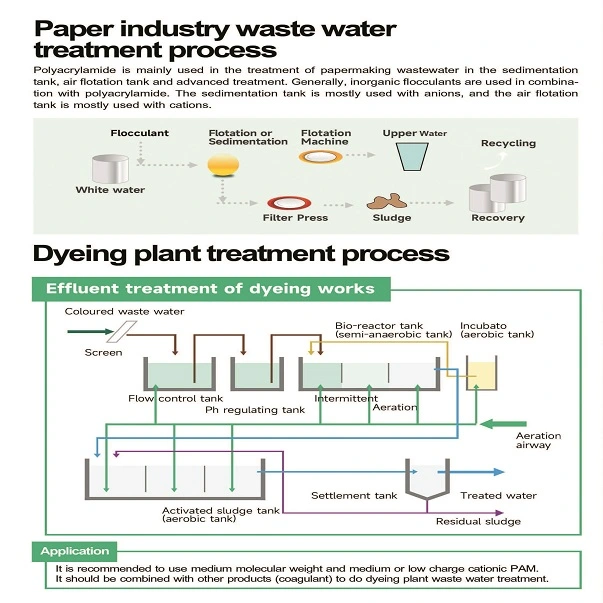
Polyacrylamide is mainly used in the treatment of papermaking wastewater in the sedimentation tank, air flotation tank, and advanced treatment. In modern polyacrylamide water treatment applications, it is widely used to improve flocculation efficiency and enhance the removal of suspended solids and organic contaminants. Generally, inorganic flocculants are used in combination with polyacrylamide. The sedimentation tank is mostly used with anions, and the air flotation tank is mostly used with cations.
Dyeing plant treatment process
It is recommended to use medium molecular weight and medium or low charge cationic PAM. It should be combined with other products (coagulant) to do the dying of plant waste water treatment.
 English
  日本語
日本語  français
  Deutsch
  Español
  русский
  português
  العربية
  tiếng việt
  ไทย
ไทย  Polska