Your recent searches
Your recent searches will appear here


Calcium hypochlorite is a highly effective disinfectant widely used in water treatment, food processing, and hygiene maintenance in various fields. Its efficacy is remarkable, but safety and emergency handling measures must be observed during use. This article will delve into guidelines for the safe use of disinfectant calcium hypochlorite and emergency handling measures in case of accidents.
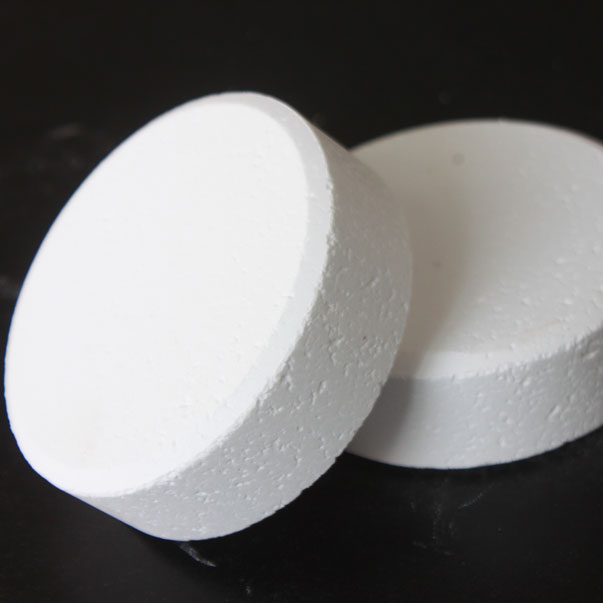
Disinfectant calcium hypochlorite is a colorless crystal or white powder with strong oxidizing and disinfecting properties. When dissolved in water, it releases hypochlorous acid, which is the main source of its disinfecting effect. It is often used in water treatment, swimming pool disinfection, and dishware disinfection. Due to its good solubility and stability, disinfectant calcium hypochlorite can maintain high efficacy under varying environmental conditions.
Personal protective measures: When using disinfectant calcium hypochlorite, appropriate personal protective equipment such as protective gloves, goggles, and masks should be worn to prevent irritation of the skin, eyes, and respiratory tract.
Storage requirements: Disinfectant calcium hypochlorite should be stored in a cool, dry place and kept away from acidic substances, flammable materials, and reactive substances. It should be properly sealed to prevent moisture and contamination.
Concentration control: Select the appropriate concentration for different application scenarios. Excessive concentration not only wastes resources but also increases safety risks.
Follow operational procedures: Carefully read the operational instructions before use and strictly follow the steps. Ensure operations are conducted in well-ventilated areas and avoid densely populated areas as much as possible.
Training and education: Provide necessary training and education to relevant staff to fully understand the properties, hazards, and emergency handling measures of disinfectant calcium hypochlorite. Conduct regular safety drills to maintain team alertness.
Risk assessment: Conduct a comprehensive risk assessment before use to identify potential safety hazards and develop corresponding preventive measures. For example, ensure equipment is in good condition during water treatment processes.
Regular inspections: Conduct regular inspections of storage areas and equipment to ensure no leaks or deterioration occur. Address any hidden issues promptly to ensure safety.
Even with preventive measures in place, accidents can still occur. Knowing emergency handling measures is crucial for ensuring safety.
Leak handling: If a disinfectant calcium hypochlorite leak is discovered, immediately stop using the equipment and quickly seal off the leak area to keep unrelated personnel away. Use plenty of water to flush and dilute the leak, and collect and handle it with appropriate absorbent materials once it is safe to do so.
Skin contact: If disinfectant calcium hypochlorite solution comes into contact with the skin, immediately rinse with plenty of water for at least 15 minutes and seek medical attention promptly. Do not use soap or other chemicals, as they may exacerbate irritation.
Eye contact: If disinfectant calcium hypochlorite solution accidentally splashes into the eyes, rinse immediately with water. Seek medical help promptly for any discomfort.
Inhalation handling: If respiratory issues occur due to inhalation, move to fresh air immediately. If symptoms persist, seek professional medical treatment.
As a strong disinfectant, calcium hypochlorite provides convenience but also poses safety risks. By taking appropriate safety measures and emergency handling procedures, risks can be effectively reduced. Understanding the properties, usage methods, and hazards of disinfectant calcium hypochlorite is crucial for ensuring the safety of oneself and others. It is recommended that all units using such chemicals not only strictly follow safety guidelines in daily use but also establish comprehensive emergency handling plans for unforeseen situations.
 English
  日本語
日本語  français
  Deutsch
  Español
  русский
  português
  العربية
  tiếng việt
  ไทย
ไทย  Polska