Your recent searches
Your recent searches will appear here


Enterocytozoon hepatopenaei (EHP) is a microsporidian parasite that infects the hepatopancreatic epithelial cells of the Pacific white shrimp (Litopenaeus vannamei). Measuring about 1.1 ± 0.2 μm × 0.7 ± 0.1 μm, this parasite is commonly referred to as the “hepatopancreatic microsporidian” or simply “EHP.” Because it primarily damages the shrimp’s hepatopancreas (liver–pancreas), the disease it causes is widely known as hepatopancreatic microsporidiosis.
EHP forms sporoplasms within host cells, providing protection to itself while damaging shrimp tissues. Its infection impairs digestion and nutrient absorption, resulting in slower growth, poor feed conversion, and reduced market value of shrimp. Furthermore, EHP infections predispose shrimp to secondary bacterial diseases.
In recent years, EHP infection has remained highly prevalent in major shrimp-farming countries including India, Thailand, and South Korea, emerging as the third most serious disease restricting the development of shrimp aquaculture—after Early Mortality Syndrome (EMS) and Acute Hepatopancreatic Necrosis Disease (AHPND).
EHP is transmitted both vertically and horizontally:
1. Vertical transmission: From infected broodstock (parent shrimp) to larvae.
2. Horizontal transmission:
o Shrimp ingesting infected shrimp carcasses or contaminated live feeds such as rotifers, artemia, copepods, and polychaetes.
o Spores excreted in shrimp feces remain viable in pond water, sediments, algae, and organic matter, where they can infect other shrimp.
The severity of EHP infection depends on the spore load within the hepatopancreas.
· Early stage: Infected shrimp show no obvious signs; they appear normal.
· Middle stage: Reduced feed intake, slow growth, size variation, empty gut, soft shells, opaque muscles, and occasional mortalities around aerators.
· Late stage: Shrimp exhibit hepatopancreatic atrophy, intestinal inflammation, and the well-known “white feces syndrome.” Histopathological analysis reveals severe tissue degeneration, epithelial necrosis, and detachment in the hepatopancreas.
Diagnosis is typically confirmed using quantitative PCR (qPCR) or histopathology.
EHP spores are highly resistant, with thick chitin-rich walls (up to 10 nm) that protect them from most chemical treatments. Currently, no effective drug or direct treatment exists. Therefore, prevention and biosecurity are the only viable strategies.
1. Use pathogen-free seed
Always test shrimp post-larvae for EHP before stocking. Since EHP has a broad host range and does not require intermediate hosts, introducing pathogen-free seed is critical.
2. Pond preparation (eradication of spores)
o Remove sludge and till the pond bottom (~10 cm deep).
o Apply quicklime (≥500 kg per mu, ~750 kg/ha) to raise pond pH above 12 for a sustained period.
o Sun-dry the pond bottom completely to eliminate spores.
3. Biosecurity measures
o Treat water sources to remove wild shrimp, fish, plankton, and other potential carriers using disinfectants like chlorine compounds (bleaching powder).
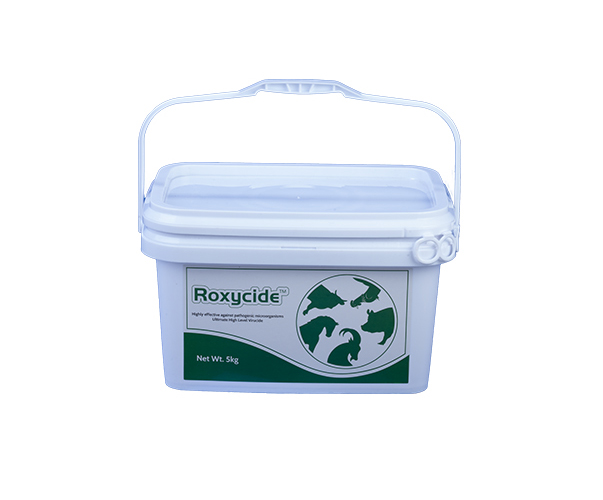
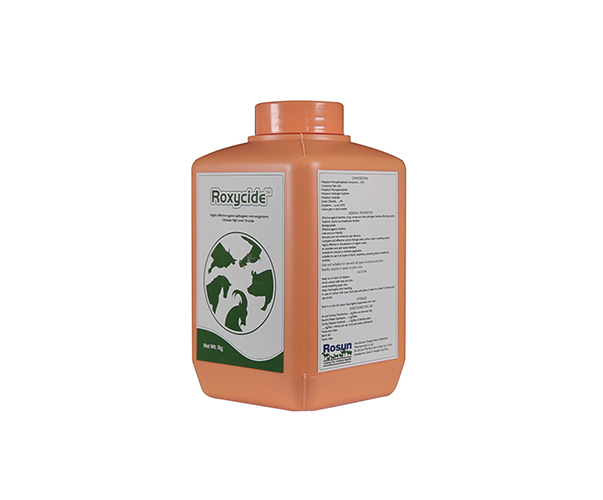
o Regularly disinfect equipment and culture tools with potassium permanganate, sodium hydroxide, or potassium bisulfate disinfectants.
4. Improve shrimp immunity
Supplement with vitamins, polysaccharides, and immune enhancers to increase shrimp resilience. Although EHP cannot be eliminated inside infected shrimp, keeping infection levels under control allows shrimp to grow normally.
5. Good farm management
o Avoid excessive stocking densities.
o Adjust salinity and maintain stable water quality.
o Frequently remove dead or weak shrimp.
o Properly treat and dispose of wastewater to prevent spreading EHP to surrounding environments.
EHP has become a major threat to global shrimp aquaculture, leading to poor growth performance and significant economic losses. Since no effective treatment exists, early detection, strict biosecurity, pond disinfection, and healthy management practices remain the best defense. By implementing these strategies, shrimp farmers can reduce the risks of EHP outbreaks and maintain sustainable production.
 English
  日本語
日本語  français
  Deutsch
  Español
  русский
  português
  العربية
  tiếng việt
  ไทย
ไทย  Polska