Your recent searches
Your recent searches will appear here


Shrimp affected by WFS show slow feeding, stunted growth, and high feed conversion ratios. If not treated in time, the shrimp quickly develop empty stomachs and intestines, emaciation, severe cases of atrophy, and even sudden death, directly impacting farming profitability.
The so-called “white feces” are not actual feces but rather strips of white matter floating on the water surface, formed by damaged and shed hepatopancreatic and intestinal epithelial cells.
The causes of WFS are complex. It results from single or multiple factors affecting the hepatopancreas and intestine. Common factors include:
After infection, shrimp initially show slow growth. In later stages, severe hepatopancreatic and intestinal epithelial damage leads to white feces.
Pathogens such as Vibrio parahaemolyticus, Vibrio harveyi, and Vibrio vulnificus proliferate at the pond bottom, attaching to feed, residues, organic debris, and dead algae. After infecting shrimp, they cause hepatopancreatic and intestinal lesions.
Algal die-offs release large amounts of hepatotoxins and neurotoxins. Ingested hepatotoxins (mainly microcystins) damage hepatocytes, causing hepatopancreatic atrophy and necrosis, leading to WFS. Neurotoxins (e.g., anatoxin-a) disrupt neuromuscular transmission, damaging shrimp nervous and respiratory systems and causing death.
High turbidity, excessive pH, degraded pond bottom, and toxic substances above limits cause chronic poisoning. This weakens shrimp, leading to secondary bacterial infections and WFS.
Improper feed storage may cause mycotoxin contamination. Long-term intake of moldy feed leads to hepatocyte necrosis and impaired detoxification and digestive functions of the hepatopancreas, making shrimp prone to disease.
During high-temperature seasons, excessive or rapid feeding burdens the liver and intestines. Insufficient feeding forces shrimp to consume sediment and spoiled residues, increasing disease risk. Poor-quality feed disrupts liver metabolism, causing damage and white feces.
Disinfect ponds before stocking to eliminate spores at the bottom. Check seedlings carefully to avoid infected postlarvae.
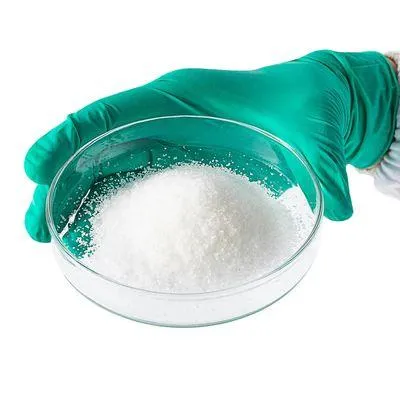
Use disinfectants properly to reduce pathogens in water and pond bottom, preventing infections. Roxycide disinfectant powder shows excellent performance in pond disinfection.
Change water regularly to keep it clean and stable, or apply probiotics such as Bacillus and photosynthetic bacteria to decompose organic matter, reduce harmful substances, and stabilize water quality.
Use hepatoprotective and gut-protective drugs or probiotics to repair intestines and restore digestive function. Add immune enhancers or herbal preparations to boost shrimp immunity. Maintain stable pond conditions and avoid stress from overhandling or drug misuse.
Avoid poor-quality or moldy feed. Store feed in dry, ventilated places. Control feeding rates to prevent shrimp from eating spoiled feed or overeating, which overloads the hepatopancreas and intestines, leading to disease.
 English
  日本語
日本語  français
  Deutsch
  Español
  русский
  português
  العربية
  tiếng việt
  ไทย
ไทย  Polska