Your recent searches
Your recent searches will appear here


Feline panleukopenia, also known as Feline Panleukopenia Virus (FPV), is a highly contagious feline disease. The virus is primarily transmitted through the bodily fluids of infected cats such as feces, urine, saliva, and nasal secretions. It can also be spread indirectly via contaminated food, water, and surface environments. Therefore, the disinfectant for cats in a household environment is crucial.
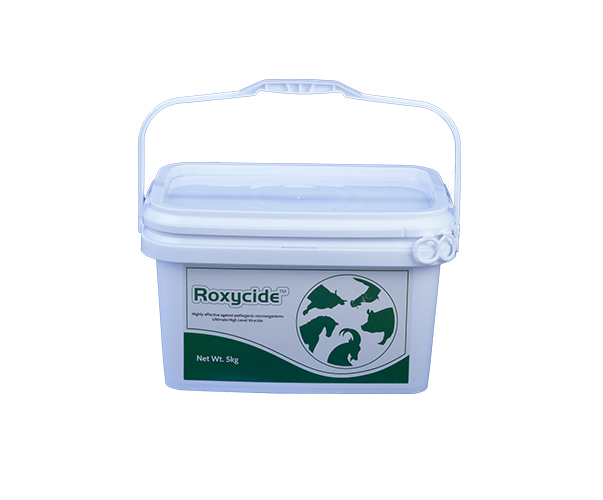
Disinfectant for cats is highly efficient and broad-spectrum, effectively killing various pathogens, including the FPV. When disinfecting at home, disinfectant for cats can be diluted and thoroughly sprayed on areas that the cat has come into contact with, such as cat beds, feeding utensils, litter boxes, and the surrounding environment. It is recommended to disinfect once every two days and continue this for two weeks to ensure the complete elimination of potential viruses. In combination with ultraviolet light exposure, the disinfecting effect can be enhanced, achieving a deeper level of sterilization and disinfection.
In households with multiple cats, if one cat is confirmed to have panleukopenia, other healthy cats should be immediately isolated and prevented from entering areas where the infected cat has been active. Despite stringent disinfection processes, there remains a risk of transmission; thus, physical isolation is the most direct and effective protective measure.
Even if there are no additional rooms available for isolation, disinfectant for cats can be used to meticulously disinfect the entire living environment, ensuring that all cats are subjected to the same disinfection procedures in a shared environment.
Although sharing the same room, regular and efficient disinfection and limiting contact among the cats can reduce the risk of FPV transmission to some extent.
In households with healthy cats, facing the threat of FPV, it is essential to carry out a comprehensive environmental disinfection at least once a day. This includes spraying disinfectant for cats and mopping the floor with disinfectant solutions, ensuring that all surfaces that cats may come into contact with are thoroughly covered and effectively disinfected.
When using disinfectant for cats, it is crucial to follow the product instructions, use the correct dilution ratio, and allow adequate contact time. Ensure that pets are kept away from the disinfected areas during the process and only allow them to return after the disinfectant has completely dried. Additionally, ensure proper ventilation after disinfection to avoid any residual disinfectant affecting both pet and human health.
In the face of feline panleukopenia challenges, cat owners need to adopt a comprehensive approach, including environmental disinfection, cat isolation, appropriate medication, and enhanced immunity. Only by following a scientifically rigorous prevention system can cat owners maximize the protection of every cat in their home from FPV threats, ensuring their quality of life and health safety.
 English
  日本語
日本語  français
  Deutsch
  Español
  русский
  português
  العربية
  tiếng việt
  ไทย
ไทย  Polska