Your recent searches
Your recent searches will appear here


The hospital, as an important place for the spread of germs, is critically dependent on its disinfection work to ensure medical safety. Calcium hypochlorite, as an efficient disinfectant, has been widely used in hospital disinfection. Its active ingredients can quickly kill bacteria, viruses, and fungi, making it an indispensable disinfection tool in hospitals. This article will discuss the standardized operating procedures and techniques for disinfectant calcium hypochlorites to help medical staff better understand their usage methods and precautions.
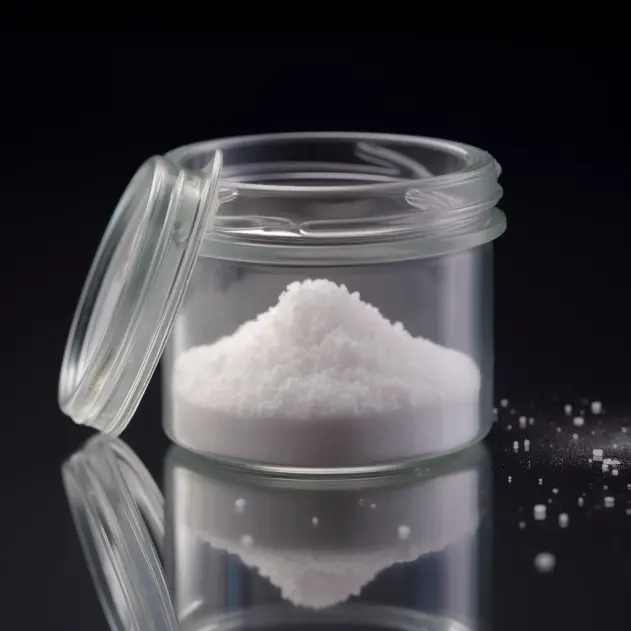
Disinfectant calcium hypochlorite is a colorless crystal or granule. When dissolved in water, it releases hypochlorous acid, and its active ingredients have excellent germicidal efficacy. Its main advantages include:
Broad-spectrum efficacy: It has a significant killing effect on various pathogens.
Fast-acting: It can achieve disinfection effects in a short time.
Safe and environmentally friendly: Compared to other disinfectants, its low toxicity and easy decomposition make it safer.
When using disinfectant calcium hypochlorite for disinfection in hospitals, a standardized operating procedure is crucial. The following explains how to operate it step by step:
Preparation stage
Select appropriate personal protective equipment, such as gloves, masks, and goggles.
Prepare the disinfectant solution, typically at a recommended concentration of 0.1%-0.5%. The specific concentration should be adjusted based on the disinfection target and environment.
Preparation of the disinfectant solution
Accurately measure the required amount of disinfectant calcium hypochlorite according to the desired concentration and add an appropriate amount of clean water, stirring evenly.
It is recommended to use glass or plastic containers to avoid reactions with metal containers.
Disinfection steps
Pre-treat the surface to be disinfected by removing surface dust and dirt.
Use tools such as non-woven fabrics and sprayers to apply the disinfectant solution evenly, ensuring that all areas requiring disinfection are covered.
Allow the disinfectant to remain on the surface for a certain period, generally recommended for 5-10 minutes, to achieve optimum disinfection effect.
Cleaning and recovery
Rinse the surface with clean water after disinfection to prevent residual disinfectant calcium hypochlorite.
Properly dispose of used cleaning tools and personal protective equipment to avoid cross-contamination.
In the disinfection process, mastering some tips can improve the disinfection effect and ensure safety:
Choose the right tools: Sprayers can more evenly disperse the disinfectant solution during disinfection, and manual application should ensure no area is missed.
Be mindful of the efficacy period of the disinfectant calcium hypochlorite: Keep the disinfectant fresh. Using expired products may reduce disinfection efficacy.
Control the environmental temperature: Excessively high or low temperatures in the disinfection environment may affect the disinfection effect. The optimal environment is 20°C-25°C.
When using disinfectant calcium hypochlorite, pay attention to the following aspects to prevent accidents:
Allergy and irritation: Some individuals may have allergic reactions to disinfectant calcium hypochlorite. Protective measures should be taken to avoid skin contact during use.
Avoid mixing with other chemicals: The reaction of disinfectant calcium hypochlorite with acidic substances may release toxic gases.
Safety in children's areas: Extra caution should be exercised when using disinfectant calcium hypochlorite in areas where children are active to prevent accidental ingestion and contact.
As an efficient and safe disinfectant, calcium hypochlorite provides strong support for hospital disinfection work. Through standardized operating procedures and some useful tips, its disinfection effect can be better utilized. Hospitals should regularly train medical staff to enhance their awareness and skills in disinfection work. Choosing high-quality disinfectant calcium hypochlorite products can ensure disinfection efficacy and reduce the risk of hospital-acquired infections.
 English
  日本語
日本語  français
  Deutsch
  Español
  русский
  português
  العربية
  tiếng việt
  ไทย
ไทย  Polska