Your recent searches
Your recent searches will appear here


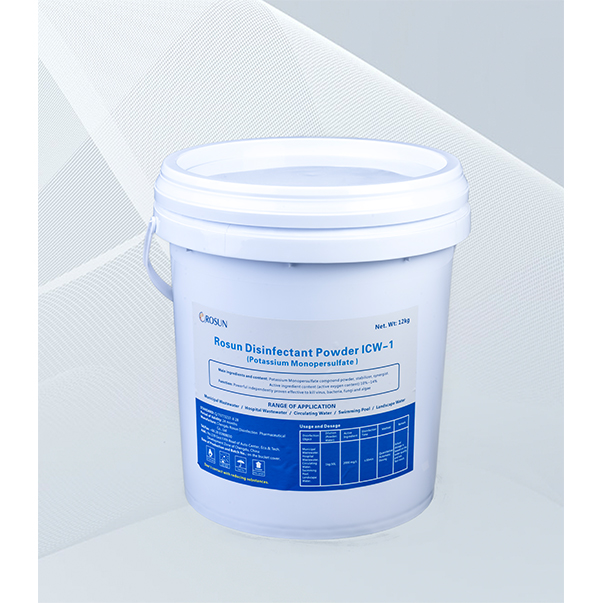
Aquaculture disinfectants refer to substances used to kill harmful organisms or pathogens on the bodies of aquatic animals, fishing tools, and farming environments through methods such as spraying or immersion. These medications control the occurrence or spread of diseases. Besides preventing and treating aquatic animal diseases and disinfecting fishing tools, some of these substances can also be used to improve water quality in fisheries. The primary uses of aquaculture disinfectants include the following parts.
Every year, earthen ponds require thorough clearing and desilting to eliminate miscellaneous fish, insects, aquatic plants, parasites, pathogenic bacteria, and other pathogens. This includes both dry and wet pond clearing methods.
Farming pools, inlet and outlet pipelines, and other facilities should be disinfected before use. Generally, this can be done by filling the facilities with disinfectant or repeatedly wiping them down with a disinfectant-soaked mop. Organic materials attached to farming pools and pipelines should be regularly cleaned and disinfected. For difficult-to-access and complex areas, fumigation or the use of spraying equipment is recommended.
During farming, especially in areas where feed is thrown, a significant amount of residual feed and feces can accumulate, leading to an increase in pathogenic microorganisms. Regularly hanging bags or spraying disinfectants can kill these pathogens and some planktonic algae, maintaining good water quality.
To prevent fish, shrimp, and crab seedlings from bringing pathogens into the farming process, immersion disinfection before stocking is an important technical measure to cut off transmission routes and control or reduce disease spread. The concentration and duration of the medicinal bath should be flexibly controlled according to different breeding species, individual size, and water temperature.
Various farming tools, such as nets and buckets, serve as mediums for pathogen transmission. During daily production operations, tools should be dedicated to specific pools to avoid cross-contamination. If there is an insufficient quantity of tools, they should be disinfected before use. After each use, small tools should be soaked in high-concentration disinfectant, while large tools can be dried in sunlight before being used again.
All potentially contaminated transport vehicles and vessels should be disinfected inside and outside. Special attention should be given to areas likely to be contaminated, such as containers, pipelines, transport water, decks, and work areas. Any biological fouling organisms and contaminants acting as mediums should be removed. Corrosive disinfectants should be avoided on vehicles and vessels, or residues should be rinsed off after use. Chlorine and other oxidizing compounds are the most commonly used disinfectants. Contaminated wastewater should be disinfected before discharge to prevent it from entering the aquatic environment.
 English
  日本語
日本語  français
  Deutsch
  Español
  русский
  português
  العربية
  tiếng việt
  ไทย
ไทย  Polska