Your recent searches
Your recent searches will appear here


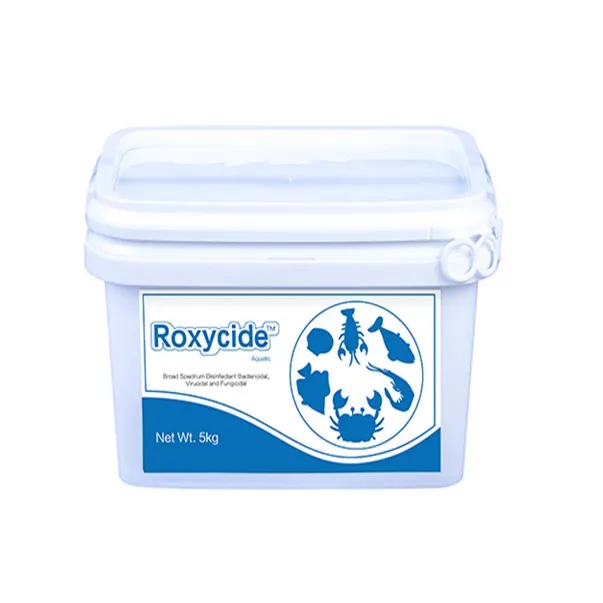
Hospitals generate complex wastewater streams containing pathogens, chemicals, and organic matter, making effective treatment essential for public health and environmental protection. One critical component of a robust hospital sewage treatment system is the use of a reliable water disinfectant powder. Chengdu Rosun Disinfection Pharmaceutical Co., Ltd., with 19 years of expertise in environmental solutions and infection control, has developed advanced disinfectant powders that provide safe, efficient, and consistent disinfection for hospital wastewater systems. Understanding the role of water disinfectant powder highlights its importance in reducing contamination risks and ensuring compliance with strict environmental standards.
Hospital wastewater contains a wide variety of microorganisms, including bacteria, viruses, and fungi, which can survive in sewage systems if not effectively neutralized. The application of water disinfectant powder in hospital sewage treatment ensures rapid and thorough microbial control, preventing the spread of pathogens from medical facilities into municipal water systems. Rosun's disinfectant powders are specifically formulated to target both common and resistant microorganisms, maintaining a high level of microbiological safety. By integrating these powders into sewage treatment protocols, hospitals can achieve consistent pathogen reduction, protecting both healthcare workers and the surrounding community.

Effective water disinfectant powder works by releasing active oxidizing agents that destroy microbial cell walls, denature proteins, and disrupt enzymatic activity. This mechanism ensures that bacteria, viruses, and other pathogens are efficiently inactivated during the treatment process. In hospital sewage treatment, such powders can be applied in various stages, including pre-treatment, primary disinfection, and final effluent treatment, providing multiple layers of protection. Rosun's products are designed to maintain high efficacy even under variable pH levels, organic loads, and water temperatures, demonstrating their suitability for the challenging conditions typical of hospital wastewater.

The success of hospital sewage treatment depends on the proper integration of water disinfectant powder into existing treatment systems. Disinfectants can be used in batch dosing, continuous dosing, or as part of automated monitoring systems to maintain consistent disinfection levels. Rosun provides technical guidance to ensure that dosing rates, contact time, and application methods align with the specific characteristics of hospital effluent. This integration allows operators to maintain optimal microbial control while minimizing operational risks and maximizing the performance of the treatment system.

Using a high-quality water disinfectant powder in hospital sewage treatment not only ensures microbial control but also supports compliance with environmental regulations. Hospitals must treat wastewater to meet discharge standards, and ineffective disinfection can result in the release of pathogens into rivers, lakes, or municipal sewage systems. Rosun's disinfectant powders are formulated to be effective while minimizing the formation of harmful by-products, ensuring environmental safety. Regular monitoring and proper application further guarantee that hospital effluent is consistently treated to meet strict regulatory requirements.
Chengdu Rosun Disinfection Pharmaceutical Co., Ltd. combines nearly two decades of experience in sewage treatment, infection control, and chemical formulation to provide water disinfectant powder solutions that are reliable, efficient, and easy to implement. Their products are tailored for hospital wastewater, offering high microbial reduction, stability under challenging conditions, and compatibility with various treatment systems. By selecting Rosun's disinfectant powders, hospitals benefit from a scientifically developed solution that enhances the effectiveness of their hospital sewage treatment processes, strengthens infection control measures, and contributes to environmental protection.

 English
  日本語
日本語  français
  Deutsch
  Español
  русский
  português
  العربية
  tiếng việt
  ไทย
ไทย  Polska