Your recent searches
Your recent searches will appear here


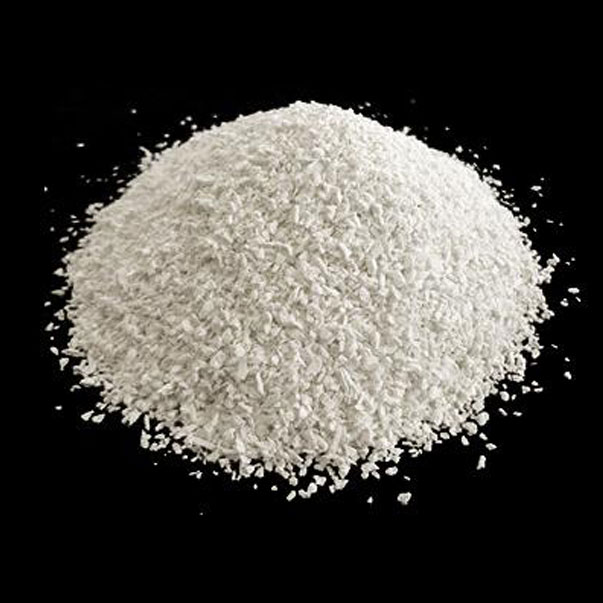
Disinfectant calcium hypochlorite, as a high-efficiency and safe disinfectant, is widely used in multiple fields. Calcium hypochlorite as disinfectant plays an important role in water treatment, healthcare, and industrial sanitation due to its strong oxidizing and microbial killing properties:
Water Treatment: In the process of water treatment, disinfectant calcium hypochlorite acts as a disinfectant and can effectively kill bacteria, viruses, and other microorganisms in the water, ensuring the safety of water quality. At the same time, disinfectant calcium hypochlorite can also oxidize and remove odors and impurities in the water, improving the quality of drinking water.
Medical and Health: In the field of medical and health care, disinfectant calcium hypochlorite is widely used for disinfection in hospitals, clinics, and other medical institutions. Its strong oxidizing properties effectively kill various pathogens including bacteria, viruses, and fungi, thereby reducing the risk of cross-infection.
Food Processing: Disinfectant calcium hypochlorite can also be used for disinfection and preservation in the food processing industry. In addition, calcium hypochlorite for cleaning is widely applied in equipment surface sanitation, production line hygiene control, and facility washing processes. In the food processing process, disinfectant calcium hypochlorite can effectively kill microorganisms on the surface of food, extending its shelf life. Moreover, the residues of disinfectant calcium hypochlorite are harmless to humans and comply with food safety standards.
Agriculture: Disinfectant calcium hypochlorite can also be used as a disinfectant and insecticide in agriculture. It can effectively kill pests and diseases in the soil, improving the yield and quality of crops.
Although disinfectant calcium hypochlorite performs well in disinfection and oxidation, attention must be paid to its potential hazards when using it:
Corrosiveness and Irritation: Disinfectant calcium hypochlorite has strong corrosiveness and irritation. If it comes into contact with the skin or eyes, it may cause severe irritation and burns. In addition, inhaling the dust or gas of disinfectant calcium hypochlorite may also cause damage to the respiratory system.
Strong Oxidizing: Disinfectant calcium hypochlorite has strong oxidizing properties. If mixed with other substances, it may cause chemical reactions, even generating toxic gases. Therefore, when using disinfectant calcium hypochlorite, it should not be mixed with other chemicals.
Environmental Impact: Disinfectant calcium hypochlorite may produce chlorine-containing wastewater during use, and if discharged directly into the environment without treatment, it may harm aquatic organisms. Therefore, when using disinfectant calcium hypochlorite, it is necessary to strictly comply with environmental regulations to ensure the wastewater is properly treated.
4.Storage and Transportation Risks: There are certain risks in the storage and transportation of disinfectant calcium hypochlorite. Due to its strong oxidizing properties, if the packaging is damaged or leaks, it may cause fire or explosion. Therefore, it must be stored and transported strictly according to regulations.
In summary, as a high-efficiency disinfectant, calcium hypochlorite disinfectant has wide applications in many fields. However, attention must be paid to its potential hazards such as corrosiveness and irritation, strong oxidizing properties, and environmental impact during use. To ensure the safe use of disinfectant calcium hypochlorite, users should strictly follow relevant regulations and operating guidelines.
 English
  日本語
日本語  français
  Deutsch
  Español
  русский
  português
  العربية
  tiếng việt
  ไทย
ไทย  Polska