What Is Polyacrylamide (PAM)?
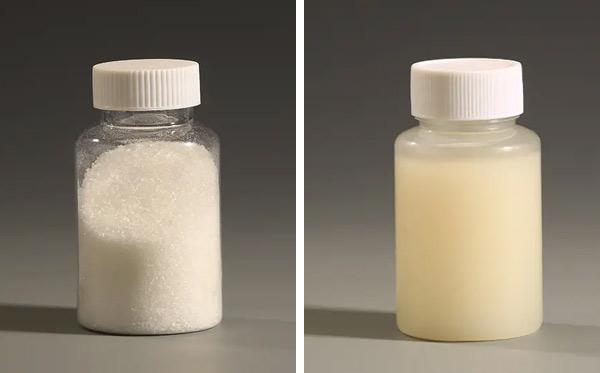
To accurately assess polyacrylamide safety, one must first understand its chemical nature. Polyacrylamide is a highly stable, synthetic, water-soluble polymer created by polymerizing acrylamide monomers. Because of its extraordinarily long molecular chains and high molecular weight, it possesses a unique ability to bridge, bind, and coagulate microscopic suspended particles in water.This mechanism—known as flocculation—makes PAM an indispensable chemical in numerous heavy industries. In water treatment applications, it acts as a premier flocculant, rapidly separating solid waste from liquid effluent. It is heavily utilized not only in municipal drinking water and wastewater plants but also in complex industrial sectors such as mining tailings management, oilfield enhanced recovery, and paper manufacturing.It is crucial to note the fundamental difference between PAM and its building block, acrylamide. While the monomer is a highly reactive and hazardous substance, the polymerized end-product (PAM) is biologically inert and chemically stable.
| Property | Description |
| Chemical Name | Polyacrylamide |
| Abbreviation | PAM |
| Form | Solid Powder, Granules, Liquid Emulsion |
| Main Function | Flocculation, Coagulation Aid, Thickening |
| Common Industries | Water Treatment, Mining, Paper, Oilfield |
Is Polyacrylamide Dangerous to Humans?
When searching for polyacrylamide toxicity information, the direct answer is reassuring: under normal industrial use and standard handling conditions, polyacrylamide is considered to have very low toxicity. Because the polymer molecule is massive, it cannot be absorbed through human skin or easily enter the bloodstream. However, because it is an industrial chemical, improper handling—such as working without protective gear in a highly dusty environment—may cause temporary physical irritation.
Why Toxicity Is Often Misunderstood
The vast majority of fear surrounding this chemical stems from a misunderstanding of its nomenclature. In public discourse and even some less-rigorous safety articles, "Polyacrylamide" and "Acrylamide" are frequently, and incorrectly, used interchangeably.Acrylamide is the raw monomer—a small, highly reactive molecule known to be a neurotoxin and a probable carcinogen. Polyacrylamide is the finished, cured polymer. Once the acrylamide has been polymerized, it loses its toxic properties. The confusion is comparable to fearing water (H2O) because it contains hydrogen, a highly flammable gas.
| Characteristic | Polyacrylamide (The Polymer) | Acrylamide (The Monomer) |
| Toxicity | Low / Non-toxic | Higher (Neurotoxic / Carcinogenic) |
| Industrial Use | Common, safe handling | Highly controlled, hazardous material |
| Water Treatment Use | Yes (Widely used globally) | No (Never used directly) |
What Are the Symptoms of Polyacrylamide Exposure?
Despite its low chemical toxicity,
polyacrylamide powder is a physical substance that interacts with the human body, particularly due to its highly hygroscopic (water-absorbing) nature. If exposure occurs, what are the symptoms of polyacrylamide exposure that workers should look out for?
Skin Contact Symptoms
PAM is designed to seek out and absorb moisture aggressively. When the dry powder comes into direct contact with unprotected skin, it draws out the natural oils and moisture from the epidermis.
Dry skin: The most common immediate effect, leaving the skin feeling tight or chalky.
Mild irritation: Prolonged contact can disrupt the skin barrier.
Temporary redness: Caused by the physical friction of washing off the sticky residue.
Itching: A secondary symptom resulting from localized dryness.
Eye Contact Symptoms
Getting PAM powder or liquid emulsion into the eyes is primarily a mechanical hazard rather than a chemical burn.
Eye irritation: A gritty, burning sensation similar to getting sand in the eye.
Redness: Inflammation of the conjunctiva due to friction.
Tearing: The eye's natural defense mechanism attempting to flush out the polymer.
Temporary discomfort: Blurry vision caused by the viscous gel that forms when PAM mixes with tears.
Inhalation Symptoms
In facilities with poor ventilation, fine PAM dust can become airborne. When inhaled, these highly absorbent particles settle on the moist mucous membranes of the respiratory tract, expanding slightly and causing physical irritation.
Throat irritation: A dry, scratchy feeling in the back of the throat.
Coughing: The body's reflex to expel the foreign dust particles.
Sneezing: Irritation of the nasal passages.
Respiratory discomfort: In extreme dust scenarios, a feeling of mild chest tightness may occur.
Accidental Ingestion Symptoms
While highly uncommon in professional settings, accidental ingestion of PAM can occur if a worker eats or drinks with contaminated hands. Because PAM swells when it contacts water, it can create bulk in the stomach.
Nausea: A reaction to the expanding gel in the digestive tract.
Stomach discomfort: Mild bloating or an uncomfortable feeling of fullness.
Vomiting: The body's attempt to reject the foreign, indigestible material.
Gastrointestinal irritation: Temporary upset stomach as the inert polymer passes through the system.
| Exposure Route | Possible Symptoms |
| Skin Contact | Dryness, temporary redness, localized itching |
| Eye Contact | Mechanical irritation, tearing, redness |
| Inhalation | Coughing, sneezing, dry throat irritation |
| Ingestion | Nausea, stomach discomfort, vomiting |
Symptoms Related to Residual Acrylamide Exposure
When discussing polyacrylamide symptoms in a deeper, toxicological sense, professional safety officers are actually monitoring for signs of Residual Acrylamide exposure.During the manufacturing of PAM, a microscopic fraction of the original acrylamide monomer remains unreacted. If a facility purchases extremely low-grade, unregulated PAM with high residual monomer levels, long-term handling could theoretically pose risks.
Neurological Symptoms
Acrylamide monomer is a known neurotoxin. Prolonged, high-level occupational exposure to the monomer can lead to numbness in the hands and feet, muscle weakness, and tingling sensations (peripheral neuropathy).
Long-Term Exposure Risks
Chronic exposure to significant amounts of acrylamide has been linked in animal studies to a higher risk of certain cancers, making it a "probable human carcinogen" under international health guidelines.
Occupational Exposure Concerns
It is vital to reiterate that top-tier PAM manufacturers strictly strip and control residual acrylamide levels to trace amounts (typically under 0.05%), rendering the final product entirely safe for daily occupational handling and municipal water use.
| Substance | Primary Occupational Concern |
| Polyacrylamide (Polymer) | Mild physical irritation (dryness, dust coughing) |
| Acrylamide (Monomer) | Severe Neurological Effects, Carcinogenic risks |
First Aid Measures for Polyacrylamide Exposure
According to standard polyacrylamide MSDS (Material Safety Data Sheet) guidelines, immediate response to exposure can mitigate almost all discomfort.
Skin Contact
Immediately brush off any dry powder before it gets wet. Wash the affected area thoroughly with plenty of mild soap and flowing water. Apply a moisturizing lotion to combat the drying effect.
Eye Contact
Do not rub the eyes, as the powder will act as an abrasive. Flush the eyes immediately with copious amounts of clean water or a sterile saline solution for at least 15 minutes, holding the eyelids open. Seek medical attention if irritation persists.
Inhalation
Move the affected individual away from the dusty environment and into a well-ventilated area with fresh air. If coughing or respiratory distress continues, seek medical advice.
Ingestion
Do not induce vomiting. Have the person rinse their mouth thoroughly with water and drink plenty of fluids to help dilute the substance. Seek medical help immediately for professional evaluation.
| Situation | Recommended First Aid Action |
| Skin Contact | Brush off dry powder, then wash thoroughly with soap and water |
| Eye Contact | Flush immediately with water for 15 uninterrupted minutes |
| Inhalation | Move to fresh air immediately |
| Ingestion | Rinse mouth, drink water, and seek medical attention |
How to Prevent Polyacrylamide Exposure in the Workplace
Providing value to B2B facility managers means focusing on prevention. The most effective way to manage polyacrylamide safety is through robust engineering controls and safety protocols.
Proper PPE
Personal Protective Equipment is the first line of defense.
Gloves: Impervious chemical-resistant gloves (such as nitrile or rubber) prevent the polymer from stripping moisture from the skin.
Goggles: Snug-fitting safety goggles (not just basic glasses) prevent airborne dust from reaching the eyes.
Dust mask: A standard N95 or equivalent particulate respirator effectively blocks fine PAM dust during the transfer and mixing phases.
Dust Control Measures
Facilities should install localized exhaust ventilation (LEV) systems above PAM hopper loading stations. Utilizing automated, vacuum-fed polymer make-down units drastically reduces the amount of airborne powder compared to manual bag-dumping.
Safe Storage Practices
PAM is aggressively hygroscopic. It must be stored in a cool, dry area away from humidity. If bags are left open, the powder will absorb moisture from the air and clump into useless, solid blocks.
Employee Training
Workers must be trained not only on how to mix the chemical but also on spill response. Crucial rule: Never use water to clean up a dry PAM spill on the floor. It will create an incredibly dangerous, ice-like slipping hazard. Always sweep or vacuum dry spills first.
Polyacrylamide Safety in Water Treatment Operations
Despite the need for basic dust management, polyacrylamide remains the undisputed champion of the water treatment industry. Why do thousands of global water plants continue to rely on it? Because when manufactured correctly, its safety and efficiency are unmatched.
Municipal Water Treatment
In drinking water plants, specialized high-purity PAM (with ultra-low residual acrylamide) is used as a coagulant aid. It rapidly clumps suspended river silt, making the water crystal clear and ready for disinfection, posing absolutely zero health risk to the public.
Wastewater Treatment
In municipal sewage plants, Cationic PAM is the standard for sludge dewatering. It binds biological waste tightly, allowing centrifuges and belt presses to squeeze out water efficiently, reducing sludge volume by up to 30% without introducing secondary toxins into the environment.
Mining Water Treatment
Mining operations use millions of gallons of water daily. Anionic PAM is used in massive thickeners to settle out heavy rock tailings, allowing the mine to safely recycle and reuse the clarified water, minimizing ecological impact.
Industrial Water Recycling
From paper mills to electroplating facilities, PAM safely neutralizes and captures suspended industrial waste, ensuring that factories meet strict environmental discharge regulations before releasing effluent.
| Industry | Typical PAM Use |
| Municipal Water | Raw water clarification & purification |
| Wastewater | Biological sludge dewatering |
| Mining | Tailings separation and water recovery |
| Paper Industry | Retention aid and fiber recovery |
Polyacrylamide MSDS: Key Safety Information
Every facility manager must keep an updated polyacrylamide msds on hand. Here is a summary of the critical safety data points you will find:
Hazard Identification
Most commercial PAM products are classified as non-hazardous under the Globally Harmonized System (GHS). They are non-flammable, non-explosive, and not acutely toxic.
Handling Requirements
Minimize dust generation. Avoid prolonged skin contact. Do not eat, drink, or smoke in areas where the chemical is being handled.
Storage Conditions
Store in tightly closed original containers. Keep the environment exceptionally dry and cool. Protect the product from direct sunlight and extreme temperatures.
Transportation
PAM is generally not classified as a dangerous good for transport by road, rail, or sea, making global logistics highly efficient.
Spill Cleanup
Dry spills: Sweep or vacuum up carefully to avoid dust. Wet spills: Cover the extremely slippery gel with an absorbent material (like sand or a commercial spill kit), sweep it up, and then aggressively scrub the floor with a strong detergent or bleach to break down the remaining polymer slick.
| Safety Item | MSDS Recommendation |
| PPE | Required (Gloves, Mask, Goggles) |
| Ventilation | Recommended in mixing areas |
| Storage | Cool, Dry Area, tightly sealed |
| Dust Exposure | Minimize strictly to avoid inhalation |
Frequently Asked Questions About Polyacrylamide Symptoms
1. What are the symptoms of polyacrylamide exposure?
The most common symptoms are mild physical irritations, including dry and itchy skin, gritty irritation and redness in the eyes, dry coughing from inhaling dust, and mild stomach discomfort if accidentally ingested.
2. Can polyacrylamide cause skin irritation?
Yes. While not chemically corrosive, PAM is highly water-absorbent. If dry powder sits on the skin, it will draw out natural moisture, leading to severe dryness, redness, and itching.
3. Is polyacrylamide harmful if inhaled?
Inhaling significant amounts of fine PAM dust can irritate the mucous membranes of your respiratory tract, leading to coughing, sneezing, and a dry throat. Proper ventilation and dust masks prevent this.
4. Is PAM toxic to humans?
The polyacrylamide polymer itself is considered very low in toxicity. Because of its massive molecular size, it cannot cross biological barriers to cause systemic poisoning.
5. What should I do if PAM gets in my eyes?
Do not rub them. Immediately flush your eyes with a continuous stream of clean water for at least 15 minutes to mechanically wash out the abrasive powder, then seek medical evaluation.
6. Is polyacrylamide safe for drinking water treatment?
Yes. Specific, highly regulated grades of PAM with strictly controlled, ultra-low residual acrylamide limits are globally approved and safely used to clarify municipal drinking water.
7. What is the difference between PAM and acrylamide?
Acrylamide is the raw, toxic, small-molecule monomer used to create the product. PAM (Polyacrylamide) is the final, stable, massive polymer chain that is safe for industrial use.
8.Does polyacrylamide cause cancer?
No. The polymer (PAM) is not classified as a carcinogen. The confusion stems from the raw monomer (acrylamide), which is a probable human carcinogen, but is virtually eliminated during the manufacturing of high-quality PAM.
9. Is PPE required when handling PAM?
Yes. To prevent physical irritation from dust and moisture-absorption, workers should always wear chemical-resistant gloves, safety goggles, and a particulate dust mask.
10. Can polyacrylamide be safely used in wastewater treatment?
Absolutely. It is the global industry standard for sludge dewatering and effluent clarification. It binds with waste and settles out rapidly, leaving the discharged water safe and clean.
Why Choose Rosun for Safe Polyacrylamide and Water Treatment Solutions
When facility safety and environmental compliance are your top priorities, purchasing generic, unverified chemicals is a massive operational risk. You need a trusted disinfectant supplier and partner who prioritizes chemical purity and technical expertise.
About Rosun
Established in 2002, Rosun is a globally recognized leading sewage treatment service provider and an absolute authority in hospital infection control. Operating under rigorous ISO9001 and ISO14001 certifications, we guarantee the highest standards of safety and quality in every batch of chemical we produce. Backed by over 160+ intellectual property rights and a vast global export network, we deliver peace of mind alongside superior performance.
Rosun Product Categories
We are a comprehensive solutions provider, offering far more than just raw materials:1. Water Treatment Chemicals
High-Purity Polyacrylamide (PAM) (Low residual monomer guaranteed)
High-Efficiency Flocculants and Coagulants
Industrial-grade Disinfectants
2. Water Treatment Equipment
Automated, dust-free Dosing Systems
Advanced Sewage Treatment Equipment
Turnkey Hospital Wastewater Solutions
3. Animal Protection
4. Environment and Object Surface Cleaning
5. Personal Care
Why Global Customers Choose Rosun
| Advantage | Customer Benefit |
| ISO Certified Manufacturing | Consistent, safe quality with ultra-low residual acrylamide |
| Technical Support | On-site engineers to optimize your dosing and performance |
| Global Export Experience | Seamless logistics and full international regulatory compliance |
| Integrated Solutions | A single trusted vendor for both your Chemicals + Equipment |




 English
  日本語
日本語  français
  Deutsch
  Español
  русский
  português
  العربية
  tiếng việt
  ไทย
ไทย  Polska