Your recent searches
Your recent searches will appear here


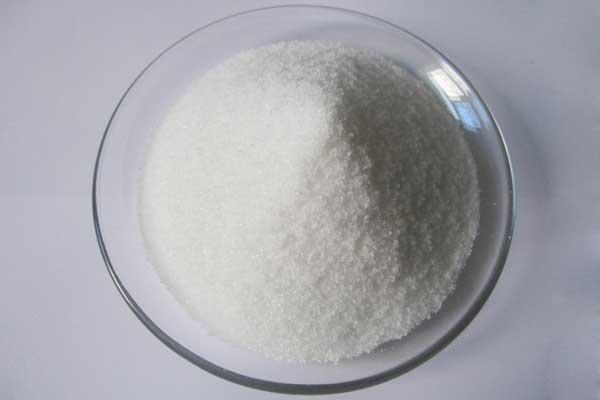
When evaluating chemical solutions for industrial separation processes, understanding the fundamental properties of Polyacrylamide (PAM) is crucial. By definition, polyacrylamide is a high-molecular-weight, synthetic water-soluble polymer synthesized from acrylamide subunits. While the base monomer (acrylamide) is highly reactive, the polymerized form—PAM—is incredibly stable, safe to handle, and exceptionally effective at gathering microscopic suspended particles.Its primary mechanism of action in industrial applications is flocculation. When introduced into a liquid suspension, the extremely long polymer chains of PAM stretch out and interact with suspended solids, binding them together into larger, heavier agglomerates known as "flocs." These flocs rapidly settle out of the liquid phase, leaving behind highly clarified water. Depending on the specific manufacturing process, PAM can be produced in various forms, including dry granular powders and liquid emulsions, each suited to different automated dosing systems and site conditions.
| Property | Description |
| Chemical Name | Polyacrylamide |
| Abbreviation | PAM |
| Appearance | White Granular Powder / Milky Emulsion |
| Solubility | Highly Water Soluble |
| Function | Flocculation, Coagulation Aid, & Solid-Liquid Separation |
Not all polyacrylamide is created equal. To address the highly diverse nature of industrial effluents and suspended solids, PAM is manufactured with different ionic charges and molecular weights. Selecting the precise type is the absolute foundation of successful polyacrylamide applications.
Anionic polyacrylamide carries a negative electrical charge along its polymer chain. It is specifically engineered to treat wastewater containing suspended particles that are coarse, highly concentrated, and carry a positive surface charge, typically functioning best in neutral or alkaline pH environments.
Anionic polyacrylamide applications prominently feature municipal water clarification, heavy mining operations, coal washing plants, and sand washing facilities. Its high molecular weight allows it to create massive, dense flocs that settle extremely fast in mineral-rich waters.
Cationic polyacrylamide possesses a positive charge, making it exceptionally effective at neutralizing and binding the negatively charged organic colloidal particles commonly found in biological waste.
Cationic polyacrylamide applications dominate the municipal wastewater treatment sector, specifically in the sludge dewatering process utilizing centrifuges, belt presses, or screw presses. It is also extensively used in food wastewater treatment and paper mills, where the organic content of the effluent is exceptionally high.
Unlike its charged counterparts, nonionic polyacrylamide has a neutral or near-neutral charge. Because it does not rely heavily on electrostatic attraction to function, its performance remains highly stable in environments where pH levels fluctuate wildly or are highly acidic.
Nonionic polyacrylamide uses are highly specialized. It is the go-to flocculant for acidic wastewater treatment and specific mineral processing applications where anionic or cationic variants would structurally degrade or fail to perform effectively.
Amphoteric PAM is an advanced, highly specialized polymer that contains both positive and negative functional groups on its molecular chain.
This dual-nature makes it remarkably resilient and effective in complex wastewater systems where the effluent's pH, temperature, and organic-to-inorganic ratios change continuously, such as in large-scale chemical manufacturing hubs and mixed-industrial parks.
| Type | Charge | Typical Application |
| APAM | Negative | Water clarification, Mining, Sand washing |
| CPAM | Positive | Sludge dewatering, Organic wastewater |
| NPAM | Neutral | Acidic systems, Mineral processing |
| Amphoteric | Mixed | Complex, fluctuating wastewater systems |
The widespread global adoption of polyacrylamide water treatment solutions over traditional inorganic coagulants (like PAC or Aluminum Sulfate) alone comes down to simple, measurable return on investment (ROI). While inorganic coagulants are necessary to neutralize charges initially, the addition of PAM as a flocculant bridges the gap between acceptable water quality and operational excellence.
Time is money in any treatment facility. PAM creates massive, dense flocs that settle up to 10 times faster than those formed by traditional coagulants alone. This accelerated settling allows facilities to process significantly higher volumes of water per hour without needing to physically expand their clarifier tanks.
Traditional inorganic chemicals add massive amounts of inert weight to the final sludge, driving up disposal and transportation costs. Because PAM is highly active and requires vastly lower dosage rates (often measured in mere parts per million), it produces a much drier, tighter, and lower-volume sludge cake, dramatically cutting hauling fees.
By acting as a highly efficient structural bridge between particles, PAM maximizes the effectiveness of primary coagulants. Facilities that successfully integrate PAM into their treatment protocols routinely report a significant drop in their overall chemical consumption and procurement budgets.
Whether you are dealing with organic biomass or fine mineral dust, PAM ensures a superior capture rate. This leads to exceptionally clear supernatant water that consistently meets or exceeds increasingly strict environmental discharge regulations.
From lowering the energy required to run filter presses to extending the lifespan of pumping equipment by removing abrasive solids early in the process, the cascading mechanical benefits of PAM result in drastically lower overall operating costs for the plant.
The versatility of PAM extends far beyond a single sector. Below is a deep, technical dive into how different industries leverage specific pam applications to solve their unique engineering challenges.
As global urbanization increases, municipal plants face immense pressure to process larger volumes of waste efficiently. PAM acts as a highly effective municipal wastewater flocculant. During primary and secondary clarification, APAM helps settle out suspended solids rapidly. More importantly, during the sludge thickening and dewatering phases, Cationic PAM (CPAM) vigorously binds organic sludge together, releasing trapped water and perfectly preparing the sludge for mechanical compression.
Raw municipal water sources, especially rivers and lakes, often contain high levels of sediment, dissolved minerals, and turbidity. PAM is utilized as a vital clarification aid to achieve rapid turbidity reduction and sediment removal. It is critical to note that PAM used in this sector must meet strict drinking water grade standards (featuring exceptionally low residual acrylamide monomer) to ensure absolute public safety.
A regional municipal water plant sourcing from a highly turbid river historically struggled with seasonal heavy rain run-offs. By transitioning from a pure inorganic flocculant system to a combined PAC and low-dose APAM system, they achieved a massive reduction in chemical dosing volume. This eliminated secondary chemical pollution from excess sludge and maintained crystal-clear drinking water output even during peak storm seasons.
Industrial effluents are notoriously difficult to treat due to their complex and highly variable chemical makeups.
Textile Industry: APAM and CPAM are heavily used for dye removal, decolorization, and binding synthetic fibers.
Food Processing: CPAM efficiently separates high concentrations of fats, oils, greases (FOG), and organic suspended solids.
Electroplating: APAM is used to rapidly settle out precipitated heavy metals after pH adjustment.
Chemical Manufacturing: Essential for suspended solids reduction before the treated water is discharged or recycled.
| Industry | PAM Benefit |
| Textile | Dye removal and wastewater decolorization |
| Food Processing | Organic matter separation & sludge dewatering |
| Electroplating | Heavy metal precipitation and rapid capture |
| Chemical | Toxic suspended solids reduction |
In the extractive industries, polyacrylamide mining applications are absolutely critical for environmental compliance and resource efficiency. During mineral processing, millions of gallons of water are used daily. PAM is injected into massive thickeners to accelerate tailings thickening, support complex flotation processes, and maximize water recovery so the clarified water can be pumped back into the plant for continuous reuse.
Modern coal preparation plants require immense amounts of water to separate valuable coal from rock and clay impurities. High-molecular-weight APAM is strictly used to promote the rapid settlement of coal slurry in thickeners. This allows for the maximum recovery of fine coal particles and ensures that the washing water runs clear enough in closed-loop systems to be reused continuously without scaling equipment.
The polyacrylamide oilfield application represents one of the most technologically advanced and profitable uses of the chemical.
Enhanced Oil Recovery (EOR): PAM is injected into aging oil wells to fundamentally increase the viscosity of the displacing water. This "thickened" water pushes the remaining crude oil out of the porous rock formations much more effectively than plain water, often increasing overall crude recovery rates by 10% to 20%.
Drilling Fluid Additive: PAM improves the rheology of drilling mud, lubricating the drill bit, preventing fluid loss, and stabilizing the wellbore against collapse.
Fracturing Operations: Used as a highly efficient friction reducer to allow fracturing fluids to be pumped at exceptionally high rates with significantly less energy.
| Application | Benefit |
| Enhanced Oil Recovery (EOR) | Increase crude oil sweep efficiency and recovery rate |
| Drilling Fluid Additive | Improve mud viscosity, lubricate bits & stabilize wellbore |
| Fracturing Operations | Fluid stability & massive friction reduction |
In papermaking, PAM serves multiple essential, high-value roles. It acts primarily as a retention aid, keeping fine wood fibers, inks, and filler materials in the paper web rather than letting them wash away into the wastewater stream. It also provides significant drainage improvement on the forming wire, speeding up the drying process and saving the mill massive amounts of thermal energy.
With the global boom in infrastructure and construction, commercial sand washing has seen exponential growth. Washing crushed stone and natural sand produces heavily silted, muddy wastewater. High-molecular-weight APAM is used to force the rapid sediment settlement of mud and clay, allowing the facility to achieve 100% water recycling and maintain a zero-liquid discharge footprint.
Beyond traditional liquid water treatment, anionic PAM is highly valued in civil and agricultural engineering for erosion control and soil conditioning. When applied to bare, disturbed soil on construction sites via hydroseeding equipment, PAM aggressively binds the topsoil particles together. This prevents erosion from heavy rainfall, increases water infiltration for seeds, and acts as an excellent dust suppression agent during dry months.
Polyacrylamide's effectiveness lies entirely in its unique macromolecular structure. To understand its industrial power, we must look at the physical chemistry process. It generally follows four distinct, rapid steps:
Step 1: Particle Adsorption
When the properly diluted PAM solution is injected into the wastewater stream, the active functional groups on the long polymer chain immediately seek out and magnetically attach (adsorb) to the suspended particles in the water.
Step2: Bridging Effect
Because the PAM molecule is extremely long—often containing millions of monomers—a single polymer chain can attach to multiple distinct particles simultaneously. It acts as a literal mechanical "bridge" between particles that would otherwise repel each other.
Step 3: Floc Formation (Flocculation)
As more polymer chains and suspended particles intertwine, they build dense, three-dimensional networks called flocs. What started as microscopic, invisible turbidity quickly grows into large, visible, snowflake-like clumps.
Step 4: Sedimentation
These massive flocs are now heavy enough to easily overcome the water's natural buoyancy and kinetic energy. They rapidly drop to the bottom of the clarifier (sedimentation), leaving the water above completely clear and ready for discharge.
Selecting the right PAM is never a guessing game; it requires empirical laboratory testing and a deep understanding of your specific operational parameters. Making the wrong choice can lead to poor performance, blinded filters, and wasted chemical budgets.
Water Chemistry: Are the suspended solids primarily inorganic (minerals, sand, clay) or organic (biological waste, food, feces)?
pH Conditions: APAM generally works best in neutral to alkaline conditions, CPAM in neutral to slightly acidic, while NPAM excels in highly acidic or highly saline environments.
Sludge Characteristics: For sludge dewatering, the charge density (ionicity) of the CPAM must perfectly match the organic concentration of the sludge.
Treatment Goals: Are you aiming for rapid settling in a clarifier, or are you trying to achieve the driest possible solid cake in a high-speed centrifuge?
Equipment Type: Belt presses often require different molecular weights and charge densities than screw presses or centrifuges to prevent the sludge from squeezing through the mesh.
| Site Condition | Recommended PAM |
| Municipal / Organic Sludge | Cationic PAM (CPAM) |
| Mining / Sand Washing Water | Anionic PAM (APAM) |
| Highly Acidic Wastewater | Nonionic PAM (NPAM) |
| Complex / Fluctuating Wastewater | Amphoteric PAM |
Even with the correct product on site, application errors can easily occur. Here are the most common issues facility operators face and how to scientifically resolve them.
Cause: This is often due to selecting the wrong ionic charge, utilizing inadequate mixing energy, or using make-down water with a high hardness level that damages the polymer chain before it enters the waste stream.
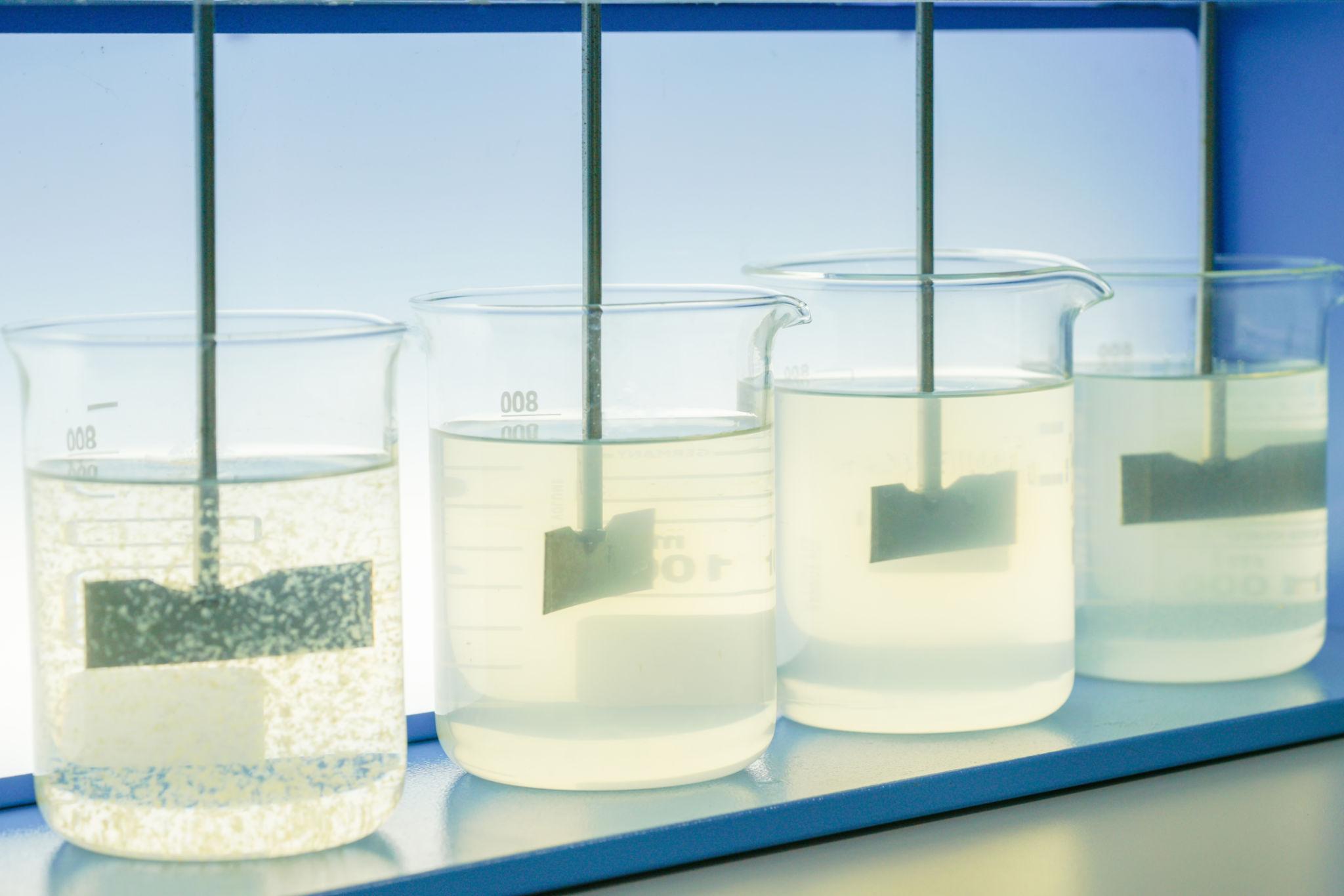
Solution: Conduct a fresh jar test to verify the correct charge and molecular weight. Ensure the make-down water is clean and the solution is aged (mixed gently) for at least 45-60 minutes before dosing.
Cause: "Overfeeding." Adding too much PAM can cause charge reversal and restabilization, where the particles become completely coated in polymer and repel each other again instead of clumping.
Solution: Optimize the automated dosing pump rates. With PAM, more is not always better; find the absolute minimum effective dose through continuous daily jar testing.
Cause: The molecular weight of the chosen PAM is simply too low for the specific gravity of the suspended solids being treated.
Solution: Switch to a higher or ultra-high molecular weight grade to create larger, heavier flocs that sink faster.
Cause: Using a CPAM with a charge density that is too high, or continuously overdosing. This blinds the micro-pores of the filter cloth and traps water inside the sludge.
Solution: Adjust the dosage rate downward immediately, or switch to a CPAM with a lower to medium charge density.
| Problem | Possible Cause | Solution |
| Weak Flocs | Wrong PAM type / Poor mixing | Conduct Jar testing & improve mixing time |
| High Dosage | Overfeeding / Charge reversal | Optimize dosage rate downward |
| Poor Dewatering | Incorrect charge density | Change CPAM grade to match sludge |
Real-world applications demonstrate the immense financial and operational value of optimizing PAM usage.
Case 1: Municipal Wastewater Plant
A large municipal facility handling 50,000 cubic meters per day was struggling with exorbitant sludge hauling costs. By conducting a detailed sludge analysis and switching from a generic polymer to a highly specialized CPAM tailored to their anaerobic digester output, the plant achieved a remarkable 30% sludge volume reduction. This resulted in an annual saving of over $120,000 in transportation and landfill fees, alongside greatly improved clarifier overflow clarity.
Case 2: Mining Tailings Treatment
A prominent copper mining operation faced severe production bottlenecks due to agonizingly slow settling times in their primary thickener. Our engineers introduced an ultra-high molecular weight APAM designed for heavy minerals. The result was a 3x faster settling rate, which eliminated the plant's bottleneck and increased their clean water reuse capacity by 40%, ensuring strict compliance with local drought restrictions.
Case 3: Industrial Manufacturing Plant
A large textile dyeing factory was failing to consistently meet local discharge regulations for color and chemical oxygen demand (COD). By implementing a precision dual-system utilizing a standard coagulant followed by a specialized Amphoteric PAM, they achieved 100% complete decolorization and reduced overall chemical treatment costs by 22%, successfully avoiding heavy municipal fines and plant shutdowns.
What is polyacrylamide mainly used for?
Polyacrylamide powder is primarily used as an industrial flocculant and coagulant aid in water and wastewater treatment, a critical sludge dewatering agent, an enhanced oil recovery (EOR) chemical in oilfields, and a high-performance retention aid in papermaking.
Is PAM safe for water treatment?
Yes, the PAM polymer itself is non-toxic, non-corrosive, and highly stable. Specific food-grade and drinking-water-grade PAMs, which have strictly controlled residual acrylamide monomer levels (usually tested below 0.05%), are globally approved by health organizations and completely safe for potable water treatment.
Which PAM is best for sludge dewatering?
Cationic Polyacrylamide (CPAM) is the absolute best choice for sludge dewatering, particularly for municipal and organic industrial sludge. Its positive charge effectively neutralizes the negatively charged organic colloidal particles, forcing them to release trapped water.
What industries use polyacrylamide?
Major industries relying heavily on PAM include municipal water and sewage treatment, mining and mineral processing, oil and gas exploration, pulp and paper manufacturing, textile dyeing, food processing, agriculture, and commercial construction.
How is PAM prepared before dosing?
Dry granular PAM must be slowly and evenly sprinkled into the vortex of agitated water (to prevent forming undissolvable clumps known as "fish eyes"). It must then be mixed gently for 45 to 60 minutes to allow the tight polymer chains to fully uncoil, hydrate, and activate before dosing into the waste stream.
What is the difference between APAM and CPAM?
Anionic Polyacrylamide (APAM) carries a negative charge and is best utilized for settling heavy inorganic, mineral-based solids (like sand and clay). Cationic Polyacrylamide (CPAM) carries a positive charge and is utilized primarily for coagulating organic, biological waste and municipal sludge.
Can PAM be used in drinking water treatment?
Yes. High-purity, drinking-water-grade PAM is highly effective at reducing turbidity and suspended solids in raw river and lake water. It must, however, comply with strict international health and safety certifications regarding manufacturing purity.
How long can a PAM solution be stored?
Once dry PAM powder is dissolved in water, the liquid polymer solution slowly begins to naturally degrade and lose its viscosity. It is highly recommended by engineers to use the prepared solution within 24 to 48 hours for optimal flocculation performance.
When treating complex industrial water, you need a manufacturing partner whose engineering expertise matches the high quality of their chemicals. Rosun is not just a chemical supplier; we are a comprehensive environmental water treatment solutions provider.
About Rosun
Established in 2002, Rosun has accumulated over 20+ years of deep industry experience in chemical manufacturing and environmental engineering. We operate strictly under internationally recognized ISO9001 (Quality Management) and ISO14001 (Environmental Management) certifications. Backed by a robust R&D department, we proudly hold over 160+ intellectual property rights and patents.
Our global exports reach over 50 countries, and we possess an internationally recognized, specialized hospital wastewater expertise alongside our massive industrial effluent management capabilities.
1. Water Treatment Chemicals
Premium Polyacrylamide (PAM) (APAM, CPAM, NPAM, Amphoteric)
High-efficiency Coagulants (PAC, PFS)
Advanced Disinfectants
Specialized Wastewater treatment reagents
2. Water Treatment Equipment
Automated precision Dosing systems
Integrated Sewage treatment equipment
Turnkey Hospital wastewater treatment systems
3. Animal Protection
High-level Biosecurity disinfectants
Complete Livestock sanitation solutions
4. Environment and Object Surface Cleaning
Commercial Environmental disinfection products
Hospital-grade Surface sanitation solutions
5. Personal Care
<ms-cmark-node _ng
 English
  日本語
日本語  français
  Deutsch
  Español
  русский
  português
  العربية
  tiếng việt
  ไทย
ไทย  Polska